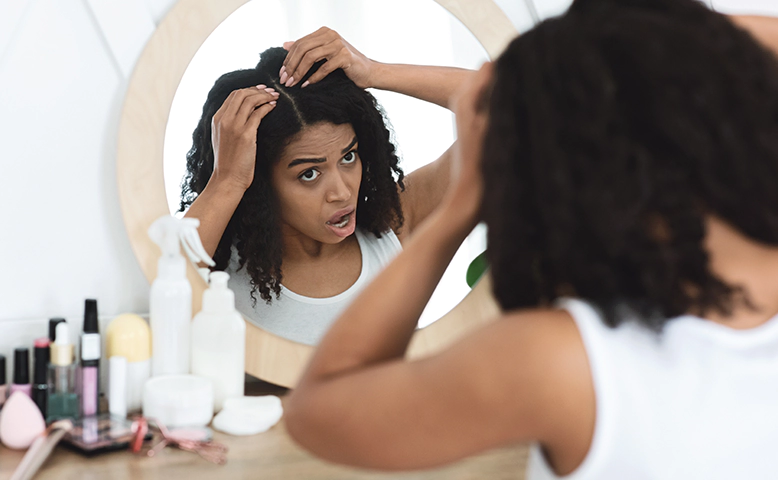
Postpartum hair loss can feel shocking. One day, your hair looks fine. Then you see clumps in the shower. You may also notice a wider part or a thinner hairline. So, it’s easy to panic. However, this shedding is usually normal. During pregnancy, hormones keep more hair in the “growing” phase. After birth, hormones drop. Then, more hairs move into a “resting” phase and fall out later. Many doctors call this postpartum telogen effluvium.
Your hair will regrow, but you can support faster recovery with smart habits. This blog shares non-surgical hair loss solutions that fit real mom life.
Know the Timeline, So You Don’t Spiral
Most postpartum shedding starts about 2 to 4 months after birth. It often peaks around month 4 or 5. Then it slowly improves. Many people see stronger regrowth between months 6 and 12. So, time matters. To stay calm, track patterns instead of guessing. Take a photo of your part every two weeks. Use the same light each time. Also, note if shedding is getting lighter.
Look for these recovery signs:
- Less hair in the drain over time
- Short baby hairs along the hairline
- Your ponytail feels a bit thicker
Call a doctor if you see bald patches. Also, get help if heavy shedding lasts past 12 months. That may mean something else is going on.
Eat for Regrowth With Simple Food Swaps
Your hair needs protein, iron, and key vitamins. If you skip meals, regrowth may slow down. Also, rapid weight loss can trigger more shedding. So, aim for steady, balanced eating. Try protein at every meal. Add iron-rich foods too. Pair iron with vitamin C for better absorption.
Foods that support hair regrowth:
- Protein: eggs, yogurt, chicken, beans, tofu
- Iron: lentils, spinach, lean beef, pumpkin seeds
- Vitamin C: oranges, berries, bell peppers
If you feel dizzy or exhausted, mention it to your doctor. Low iron can affect both energy and hair. Also, drink enough water. Dehydration adds stress to the body.
Contact A Doctor If Shedding Feels Extreme
Sometimes, postpartum hair loss gets worse due to low iron or thyroid changes. These issues are common after pregnancy. They can also mimic normal new-mom fatigue. So, testing can save you months of worry. Ask your doctor about basic blood work. It can spot problems you can treat.
Tests you can consider:
- Ferritin (stored iron) and iron levels
- Thyroid labs (often TSH, plus others)
- Vitamin D and B12 if symptoms fit
If a deficiency shows up, follow medical advice. Correcting it may support steadier regrowth. Also, you may feel better overall.
Protect Fragile Hair With a Gentle Routine
Shedding happens at the root. Still, breakage can make thin hair look worse. So, protect the hair you still have. That helps you look fuller while you regrow.
Wash Day Basics
Clean your scalp well. Then condition the lengths.
Styling Basics
Choose low-tension styles. Avoid tight pulling.
Helpful quick changes:
- Use a wide-tooth comb on damp hair
- Swap elastics for soft scrunchies
- Keep buns and ponytails loose
Limit heat tools when you can. If you use heat, keep it low. Also, avoid rough towel drying. Pat gently instead. These small steps reduce breakage and frizz.
Support Scalp Health Like You Support Skin
A healthy scalp helps hair look and feel better. Buildup, oil, or irritation can flatten roots. Also, itching can lead to scratching and breakage. Start with simple, consistent care. Massage your scalp for one minute a day. Use clean fingertips. This may help with blood flow and relaxation. Also, rinse products well to avoid residue.
If your scalp is flaky, red, or burning, talk to a dermatologist. You may have dermatitis or another scalp issue. Treating the scalp can improve comfort fast. Then styling feels easier.
Consider Quality Topicals With Doctor Guidance
Some people use topical minoxidil to support regrowth. Research suggests it can help certain types of shedding. However, postpartum choices depend on your body and your feeding plan. So, talk to your doctor first, especially if you breastfeed.
Also, track progress with monthly photos. Hair changes take time. Avoid “miracle” oils and secret formulas. Many have weak evidence. Some can also irritate your scalp. Choose options with clear ingredients and safe use instructions.
Lower Stress to Help Your Body Recover
Hormones drive most postpartum shedding. Still, stress can keep your body under pressure. When stress stays high, sleep suffers. Appetite drops, too. That can slow recovery. You don’t need perfect calm. You need a small, repeatable relief.
Tiny actions that work in real life:
- Take 5 slow breaths before you check your phone
- Walk outside for 10 minutes with the stroller
- Stretch your neck and shoulders at night
Also, ask for help. One extra hour of rest can change your week. Better rest supports healing. And healing supports regrowth.
Look Fuller Now With Smart, Non-Surgical Options
Regrowth takes months. So, it helps to feel confident today. Quick cosmetic changes can reduce stress. That alone helps many people cope better. Try switching your part. It can hide thin areas fast. Choose haircuts that add shape and lift. Light layers often look fuller than heavy, long ends.
You can also explore non-surgical hair loss solutions for coverage. Options include gentle toppers, density enhancers, or custom hair systems. These can protect your confidence while your hair cycle resets.
Conclusion
Postpartum hair loss is hard. However, it is often temporary. When you eat well, check key tests, protect fragile strands, and care for your scalp, you support faster regrowth. Also, stress relief and smart styling can help you feel better right away. If you want extra support during this stage, WeaveMaster’s of Beverly Hills offers non-surgical options that can help you look fuller while you regrow.