
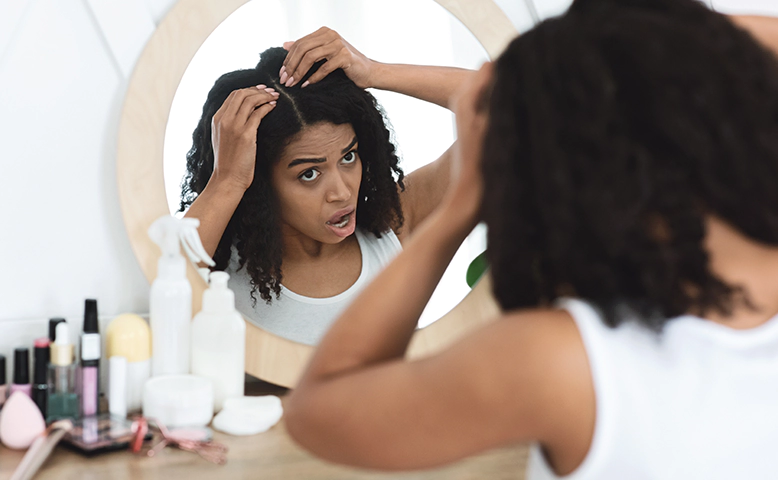
A receding hairline can feel personal. You may see more forehead in photos. You may tug your hair forward each morning. And you may worry it will keep getting worse. However, you’re not stuck. You can often slow hairline loss without surgery. Better yet, you can start at home today.
You should know that hair loss has patterns and triggers. So, when you fix the trigger, you often reduce shedding. Also, when you treat early, you protect more hair. That means less stress and more control. In this blog, you’ll learn simple steps that fit real life. You’ll also learn what works, what to skip, and when to get expert help.
Understand What’s Really Causing Your Hairline Loss
Your hairline can move back for different reasons. So, guessing can waste time. Instead, look for clues. Male and female pattern hair loss is common. It often runs in families. Also, it tends to thin slowly over the years. Hormones and genetics play a big role.
But other causes can speed it up. For example, stress can trigger shedding. Illness can do it too. Meanwhile, some hairstyles pull the hairline back.
Here are common causes to consider:
- Genetics: gradual thinning near temples and front
- Tight styles: braids, ponytails, or extensions with tension
- Stress or shock: sudden shedding after a hard event
- Scalp issues: itching, flakes, or inflammation
- Hormone shifts: postpartum, menopause, or thyroid changes
If you match more than one cause, don’t worry. You can still build a smart plan.
Spot Fast Triggers You Can Fix This Week
Sometimes the hairline looks worse because of a short-term trigger. So, start with the easy wins.
Medication and health changes
New meds can increase shedding in some people. Also, fast weight loss can stress the body. If you started something new lately, write it down.
Stress and sleep debt
Stress pushes more hairs into a resting phase. Then those hairs shed weeks later. However, better sleep can reduce that stress load.
Wrong hair habits
Traction can break fragile hairs at the hairline. So, reduce pulling and heat.
Try these quick steps:
- Switch to loose styles for two weeks
- Sleep on a satin pillowcase
- Avoid tight hats and harsh brushing
- Use lower heat and fewer passes
These changes won’t regrow everything alone. But they can stop extra damage fast.
Build a Hairline-Friendly Wash and Scalp Routine
A healthy scalp helps hair grow better. So, your routine matters more than most people think. Wash often enough to keep the scalp calm. For many people, that means two to four times weekly. Also, focus on the scalp, not the ends. Use gentle pressure with your fingertips. Then rinse well.
If you have flakes or itch, treat that early. Inflammation can weaken follicles over time. So, a medicated shampoo can help some people. For example, ketoconazole shampoo may reduce dandruff-related irritation.
- Use a mild shampoo on most wash days
- Use a medicated shampoo 1–2 times weekly if needed
- Condition mid-length to ends, not the hairline
- Pat dry instead of rubbing with a rough towel
Consistency helps. So, aim for a routine you can keep for months.
Use Proven Treatments That Don’t Require Surgery
Some options have strong evidence. However, they work best with steady use.
Minoxidil is one of the most studied topical treatments. It can support growth by extending the growth phase. Also, it can reduce shedding in some users. You must use it regularly for results. And you may see mild shedding at the start.
Finasteride is a prescription option for many men. It lowers DHT, a hormone linked to pattern hair loss. Because it changes hormones, you should discuss risks with a clinician. Women may have different options, depending on age and pregnancy status.
Helpful safety tips:
- Start one change at a time
- Take photos monthly in the same lighting
- Give it at least 4–6 months
- Talk to a dermatologist about side effects
You don’t need to “do it all.” Instead, choose what fits your health and comfort.
Try At-Home Devices That Support Hair Growth
Devices can support your plan, especially when you start early. But results vary. So, keep expectations realistic.
Low-level laser therapy (LLLT) uses red light to stimulate follicles. Some studies show it can improve density for certain people. Also, it tends to be painless. Still, you must use it several times weekly.
Microneedling can help by signaling repair in the skin. It may work even better when paired with topical treatments. However, you must keep it clean to avoid infection.
If you try devices, follow these basics:
- Buy from a reputable source
- Use the schedule as directed
- Keep tools clean every time
- Stop if you get irritation or sores
Devices can help, but they don’t replace the basics. So, keep your routine steady.
Eat What Suits Your Hair
Hair is not “extra.” Your body treats it like a luxury. So, when you run low on nutrients, hair can suffer. Protein matters because hair is made of keratin. Iron, vitamin D, and zinc also support growth. However, more is not always better. High doses can backfire. So, use lab tests when possible.
Also, daily habits can reduce shedding over time:
- Eat protein at each meal
- Add omega-3 foods like salmon or walnuts
- Stay hydrated, especially in hot weather
- Move your body most days
- Aim for steady sleep hours
If you crash diet, your hair can shed later. So, choose slow, stable changes. Your hairline often responds better.
Reduce Breakage at the Hairline While You Treat It
New growth takes time. So, you may want the hairline to look better now. That’s normal. First, protect the fragile front hairs. Use a soft brush. Also, avoid strong gels that dry and flake. If you color your hair, space treatments out.
Smart styling can help too:
- Try a side part to add lift
- Use a light volumizing powder at the roots
- Choose fringe or face-framing layers
- Avoid glued-on fibers on irritated skin
Meanwhile, don’t pick at flakes or scabs. That can inflame the area. So, treat the scalp gently and let it calm down.
Conclusion
You can slow a receding hairline without surgery. Start by fixing triggers, protecting your scalp, and using proven options. Then stay consistent and track progress. And if you want expert guidance or advanced non-surgical support, WeaveMaster’s of Beverly Hills can help you explore personalized hair loss solutions that fit your lifestyle.
